
In professional and collegiate sports, leaders often speak about culture, alignment, and long-term vision. Yet when pressure mounts—losing streaks, public scrutiny, donor expectations—those same commitments are frequently tested.
This tension is at the heart of what many organizations experience as leadership drift.
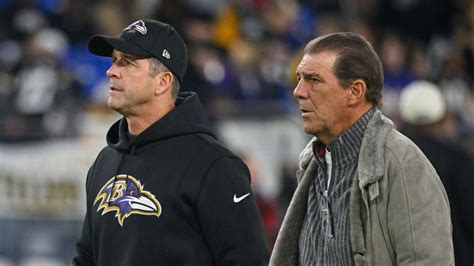
That’s why a recent clip from Baltimore Ravens owner Steve Bisciotti stands out.
When discussing responsibility, culture, and the process of hiring a new head coach, Bisciotti closed with a statement that feels almost counter-cultural in today’s win-first environment:
“We’re going to be so confident in our choice that we are going to grant him a decent amount of patience.”
This wasn’t optimism.
It was leadership conviction.
Leadership Patience Is Not Passivity
In high-performance sport, patience is often misunderstood. Many assume it signals lower standards or diminished accountability.
In reality, leadership patience in team culture reflects clarity.
It means:
- Hiring leaders for values alignment, not optics
- Defining the standard before results validate it
- Allowing systems and people the time required to mature
Culture is not installed.
It is built—through repetition, trust, shared language, and consistency under pressure.
The Cost of the Win-First Reflex in Sports Leadership
In many athletic departments and professional organizations, adversity triggers acceleration:
- Faster evaluations
- Quicker firings
- Shortened runways for leaders
This reflex often creates fragile cultures—teams that perform only when conditions are perfect.
👉 “Building a growth culture (HBR.org)”
When patience is conditional, behavior changes:
- Risk avoidance replaces growth
- Image management replaces accountability
- Short-term survival replaces ownership
Ironically, the pressure to win now often undermines the conditions required to win consistently.
What Durable Organizations Do Differently
Organizations that sustain performance across seasons and leadership transitions treat patience as a strategic decision, not an emotional one.
They:
- Hire leaders whose values already align with the organization
- Evaluate progress beyond wins and losses
- Protect developmental space when pressure rises
- Separate momentary results from long-term trajectory
Granting patience does not remove accountability.
It anchors accountability to purpose instead of panic.
A Takeaway for Head Coaches, ADs, and Team Executives
If you are responsible for culture, ask yourself:
Are we confident enough in our leadership decisions to give them time to work?
Leadership patience in team culture sends a clear signal:
- We believe in who we hired
- We value development, not just outcomes
- We are building something designed to last
Short-term pressure will always exist.
Leadership is revealed by whether decisions are made for the next result—or the next decade.
Final Reflection: Patience as a Competitive Advantage
Patience is not a luxury reserved for stable organizations.
It is often the reason stability exists at all.
The most successful teams are rarely the fastest to react.
They are the most disciplined in staying aligned with who they say they are.
