
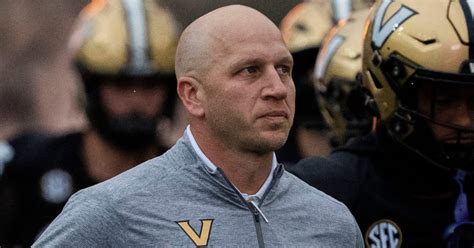
Leadership ownership in team culture is most clearly revealed after disappointment, not celebration. When Vanderbilt Head Coach Clark Lea was asked about his team being left out of the College Football Playoff, he had every opportunity to point outward. Instead, he chose ownership:
“There’s no one to blame but ourselves.”
That sentence captures one of the most difficult and defining leadership decisions a person ever makes—responsibility over explanation.
Explanation feels natural. It protects identity. It preserves comfort. It softens disappointment. But responsibility sharpens leaders. It clarifies culture. And it creates the conditions for sustained growth.
In my work with athletic departments, coaching staffs, and organizational leaders, I rarely see culture drift happen through one big failure. It almost always happens through a slow accumulation of small explanations:
– “We just had a young team.”
– “We had injuries.”
– “The timing wasn’t right.”
– “The system didn’t favor us.”
None of these statements are untrue. But none of them build standards either.
Responsibility Stabilizes Standards
When leaders default to ownership, standards stop shifting with circumstances. Expectations remain clear even under pressure. Athletes, staff, and employees stop guessing where the line is—because the line doesn’t move based on outcomes.
Stability in standards creates psychological safety. People know what matters. They know what’s expected. And they know what will be addressed—whether performance is high or low.
Responsibility Strengthens Feedback
Blame corrupts feedback. It turns evaluation into defense. Ownership, on the other hand, cleans the feedback channel. When a leader owns first, feedback becomes honest, specific, less personal, and more developmental.
Teams mirror the behaviors that leaders model. When leaders resist explanation, team members stop hiding behind it as well.
Responsibility Deepens Trust
Trust is rarely built through motivation alone. It’s built through consistency. When leaders choose responsibility publicly and repeatedly, trust compounds quietly.
People trust leaders who refuse to hide.
People follow leaders who refuse to outsource accountability.
Trust grows not because leaders are perfect—but because they are consistently honest about what is theirs to own.
Responsibility Compounds Culture
Culture isn’t created during team retreats or highlight moments. It compounds through daily leadership posture. Responsibility either compounds upward or it erodes downward.
Blame teaches protection.
Ownership teaches growth.
One creates compliance.
The other creates commitment.
The Leadership Question That Changes Teams
Strong programs don’t ask, “Who failed?”
They ask, “What do we own?”
That single pivot shifts postgame meetings, staff evaluations, performance reviews, recruiting conversations, and organizational responses to adversity.
You don’t control outcomes. But you always control ownership.
And the leaders who embrace that reality build the kind of standards, trust, and culture that last far beyond any single season.
If your program or organization is working to strengthen leadership ownership in team culture, I work with coaches, staff, and senior leaders to build durable standards, trust, and accountability systems.
👉 Learn more about leadership coaching here: https://tomvandam.com/
