
Leadership self-evaluation for coaches is often overlooked, yet it may be the most important habit a leader develops. In a recent conversation with a new athletic director, we were brainstorming ways he could mentor his staff and head coaches. We talked about culture, accountability, communication — all the usual levers. But one theme kept rising to the surface:
Leaders need permission to pause.
Too many leaders move from one season to the next without ever stepping back to evaluate themselves. They review team performance, staff behavior, and strategic decisions — but rarely carve out intentional time to ask, “How did I lead this week?”
Leadership self-evaluation for coaches isn’t about perfection — it’s about clarity, growth, and owning your influence on a team’s culture.
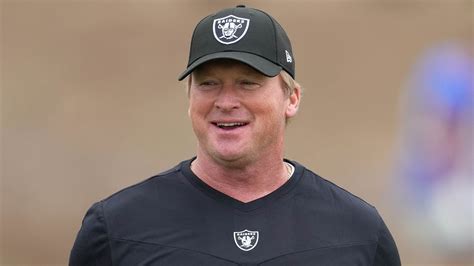
A recent video from Jon Gruden illustrated this perfectly. While walking through his weekly routine as an NFL head coach, he emphasized the importance of grading himself as a play caller with the same rigor he used to evaluate quarterbacks and the rest of the team.
👉 Watch the video here: https://www.youtube.com/watch?v=AtjXOy-qRw0
That level of honest self-assessment is rare. And needed now more than ever.
Why Leadership Self-Evaluation for Coaches Creates a Competitive Edge
In college and professional athletics and high-performance environments, leaders spend countless hours evaluating others:
- Athletes’ execution
- Assistants’ planning
- Staff engagement
- Team dynamics and culture
But the hardest evaluation — and often the most important — is the one directed inward.
Self-evaluation is not a luxury. It is a competitive advantage.
Reflection helps leaders clarify:
- What decisions moved the program forward
- Where communication aligned or confused the team
- Whether choices were intentional or reactionary
- How their behaviors influenced culture, trust, and performance
When leaders grow, everyone benefits. When leaders drift, the entire program drifts with them.
This is why leadership self-evaluation for coaches must be a non-negotiable part of the weekly rhythm, especially in competitive environments.
For more on this idea, see my recent post on leadership drift in teams — a quiet force that erodes trust and alignment.
The Leadership Gap: When Self-Evaluation Gets Overlooked
Most programs are excellent at performance evaluation. Very few evaluate leadership drift — the subtle misalignments that quietly weaken standards over time.
Drift happens when:
- Hard conversations get delayed
- Standards slowly soften
- Minor issues go unaddressed
- Leaders react instead of reflect
This is why Gruden’s example matters:
He normalized evaluating the leader with the same discipline used to evaluate the team.
Imagine the shift in culture if every head coach and administrator built structured self-reflection into their weekly rhythm.
It would change everything.
For more ideas on reflection, trust, and leadership clarity, explore my article on trust-centered decision-making.
A Simple Self-Evaluation Rhythm for Coaches
Here’s a simple framework leaders can use to pause intentionally:
- What decisions did I make this week that supported the culture we want?
- Where did I lead with clarity — and where did silence or frustration replace communication?
- What one adjustment could I make next week that would help my staff or athletes perform better?
Small questions.
Massive cultural impact.
When leadership self-evaluation for coaches becomes a consistent practice, teams experience stronger alignment, clearer communication, and more resilient culture.
If You Want to Build a Reflection Practice Into Your Program
Intentional leadership doesn’t happen accidentally. It happens by design.
If you want to implement reflective leadership habits within your athletic department — through staff development, coach circles, or team learning frameworks — I’d be glad to help.
👉 Schedule a call: www.tomvandam.com
👉 Explore more leadership tools and posts at: https://tomvandam.com/blog/
